

The 1860 California State Republican Convention & the Slavery Question
California

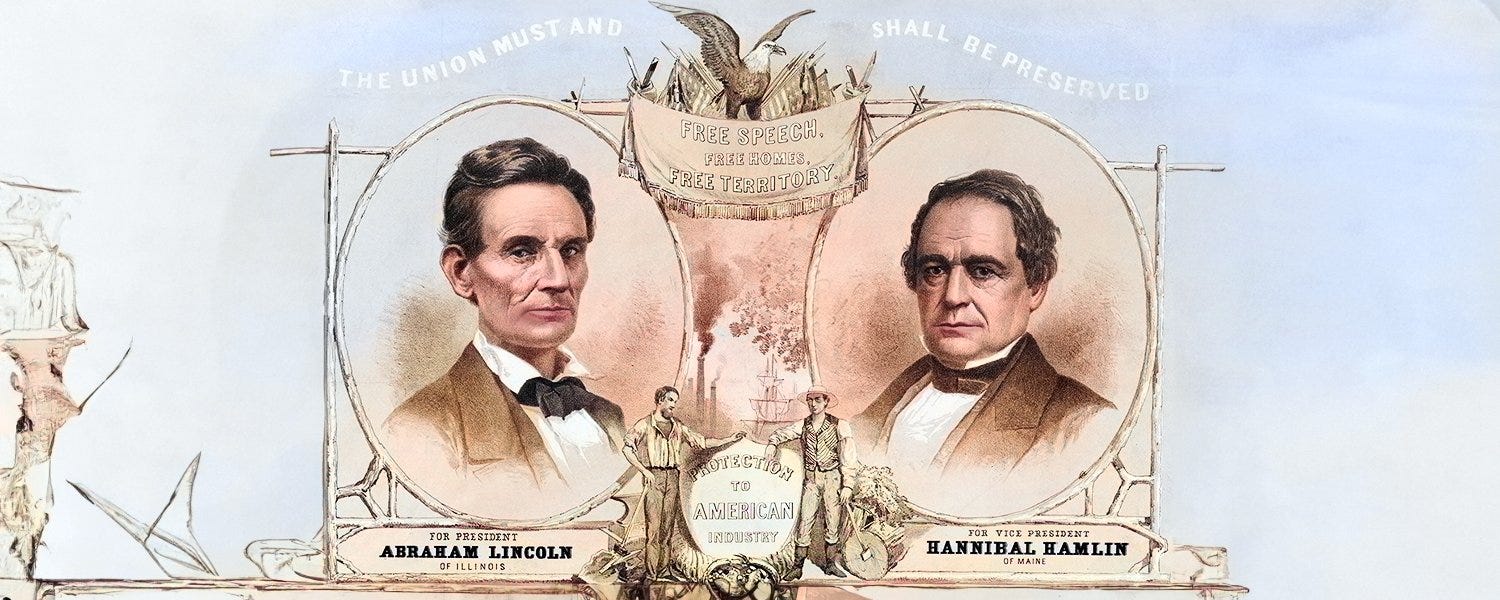
The 1860 California State Republican Convention in Sacramento convened at a pivotal moment in American history, as the nation stood on the brink of the Civil War. The debate over slavery’s expansion into new territories defined the political landscape, shaping not only national discourse but also the deliberations of Republican leaders in California. Delegates at the convention sought to solidify their party’s position on the matter, reinforcing their commitment to preventing the spread of slavery into free territories while confronting the political influence of pro-slavery factions.
Republican Opposition to Slavery Expansion
At its core, the Republican Party in 1860 was founded on the principle that slavery must not be allowed to expand beyond its existing borders. This stance was rooted less in moral opposition and more in political pragmatism. The Sacramento convention, following the lead of the national Republican platform, underscored this belief. Delegates echoed the view that the institution of slavery, long entrenched in the Southern economy, posed a direct threat to the liberties of free laborers in the West and must be halted in its tracks.
The delegates recognized that allowing slavery to spread would fundamentally alter the development of new states and territories, creating an economic system that disadvantaged free white workers. The labor-driven economies of California and other Western states relied on opportunities for independent farmers (one of Thomas Jefferson's American ideals), laborers, and entrepreneurs, opportunities that slavery’s expansion would undercut. The Republican argument, for many in the party, was about preserving economic and social equality for free men seeking to establish livelihoods on the expanding frontier.
Challenges from Pro-Slavery Influence
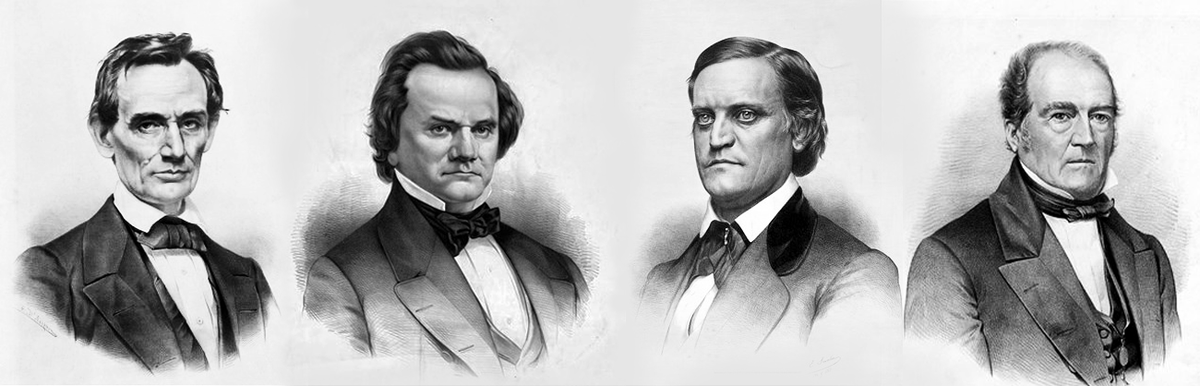
Despite California’s status as a free state, the Republican delegates in Sacramento acknowledged the persistent influence of pro-slavery advocates within the state’s political landscape. Certain Democratic factions sought to align California with the Southern cause, advocating for policies that would facilitate the expansion of slavery. The Republican Party, however, saw these efforts as antithetical to the values of free soil and free labor.
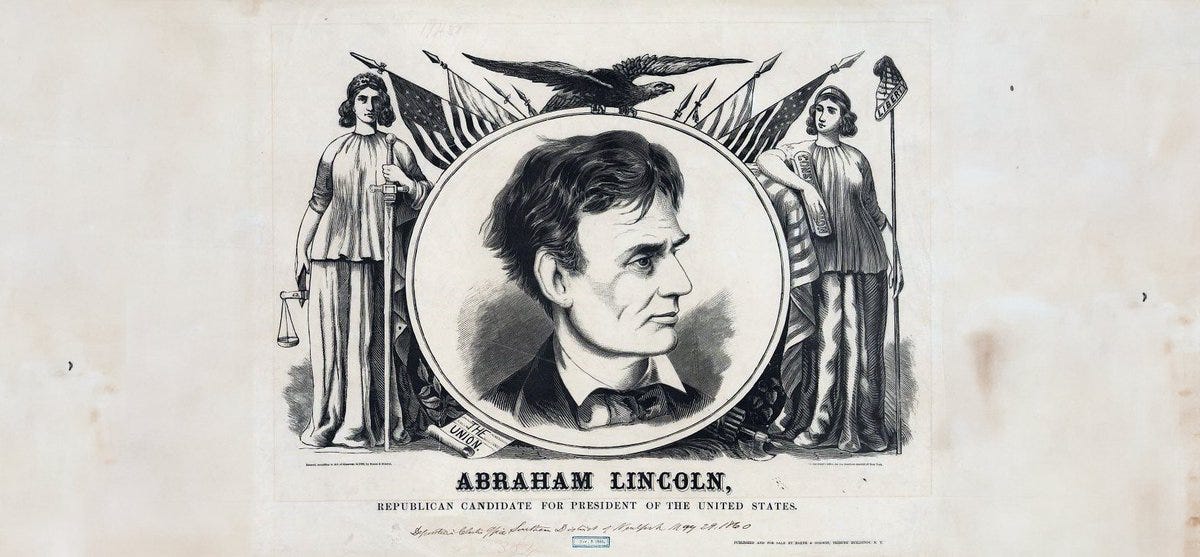
Delegates rejected Stephen A. Douglas's doctrine of popular sovereignty, which allowed territories to decide whether or not to permit slavery within their territories as they transitioned into states with congressional representation that could upset the balance of power. Republicans viewed this policy as a deceptive compromise that could potentially lead to the further entrenchment of slavery in new regions. Instead, the party pushed for limiting slavery to the states where it already existed, following the vision of figures like Abraham Lincoln, who had risen as the party’s national standard-bearer.
California’s Role in the National Republican Movement
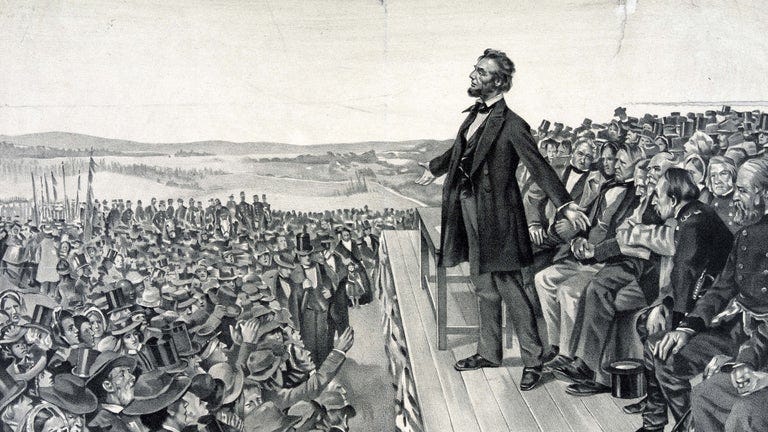
The Sacramento convention delegates debated California’s role in shaping the national Republican movement. As a state geographically distant from the slave-holding South, California held a unique position in the conflict. Its economic ties to free labor and the opportunities provided by the Gold Rush made it a natural ally of the anti-slavery cause. However, former Southern settlers and Democratic strongholds in parts of the state posed an ongoing challenge. Republican leaders recognized that to secure California’s commitment to the national movement, they needed to strengthen their platform and resist any local pro-slavery sympathies.
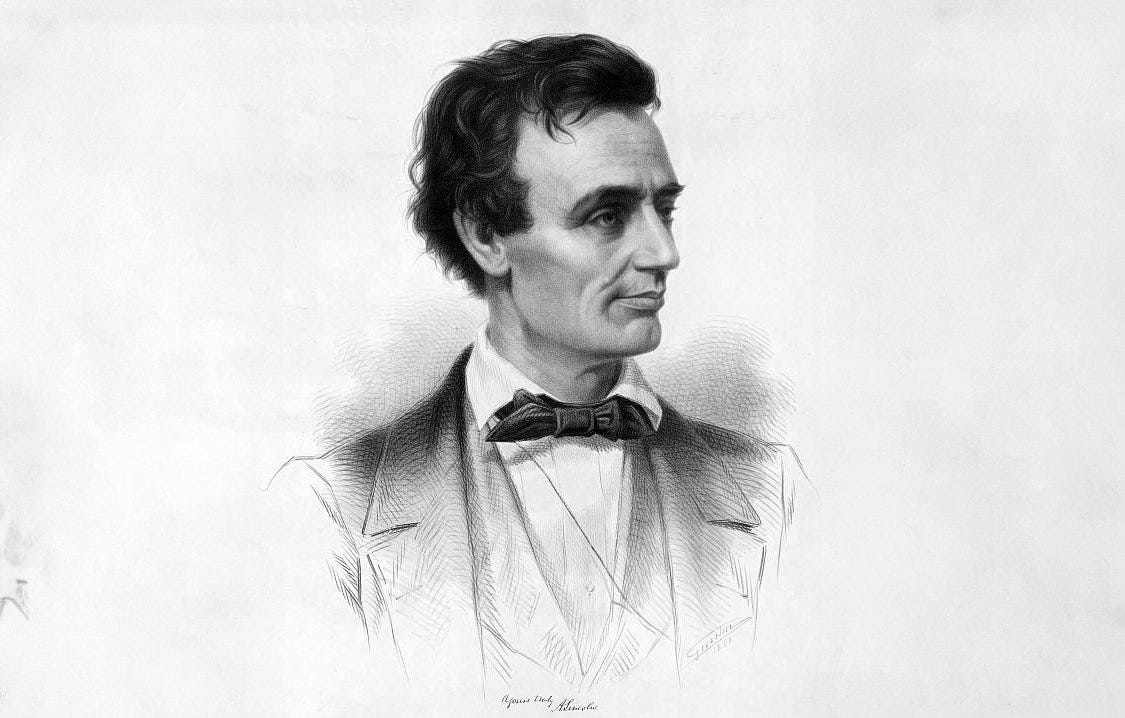
This commitment was reflected in the nomination of presidential electors who aligned strictly with the party’s anti-slavery stance. The delegates understood that California’s votes, though fewer than those of larger states in the East, would be crucial in electing Abraham Lincoln. Their discussions revealed a clear consensus: California must stand firmly against the expansion of slavery, both as a moral imperative and as a safeguard for its free economy.
By opposing the spread of slavery, denouncing pro-slavery influence, and advocating for the protection of free labor, the convention aligned itself with the principles that would ultimately lead the nation into the Civil War. Although regional, the Sacramento gathering was emblematic of a national struggle that would soon culminate in Lincoln’s election and the subsequent secession crisis.

BIBLIOGRAPHY
Proceedings of the Republican State Convention, Held at Sacramento, June 20th, 1860. Sacramento: Republican Party of California, 1860.