

The Modoc War (1872-1873)
California History

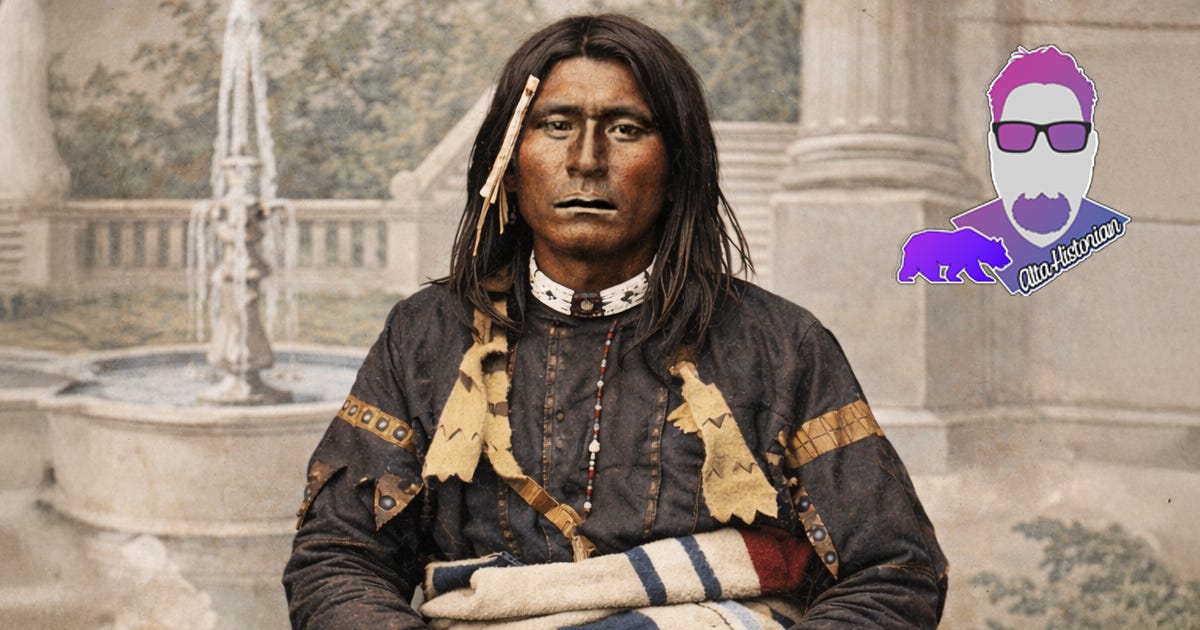
The ancestral homeland of the Modoc lay across the sagebrush-covered lava plateaus and wooded mountains of northern California and southern Oregon. Their settlements were scattered along the shores of Tule Lake and the Lost River, where they lived on fish, waterfowl, wild game, and the seeds and bulbs gathered from the surrounding countryside. It was a severe and broken land, shaped by fire and water, and it sustained a people who knew precisely how to live within it.
As white settlers began to move into the Lost River region, they demanded that the Modoc be removed and placed on the Klamath Reservation alongside the Klamath and Yahooskin tribes. The demand, as was often the case, completely ignored history. The Modoc and the Klamath were traditional enemies, and the Modoc relationship with the Yahooskin was scarcely better. Reservation life promised neither peace nor safety.
For Modoc leader Kientpoos (KEE-ent-poos) — known to Americans as Captain Jack — the Klamath Reservation could never be home. He and other Modocs left the reservation and demanded a separate reservation on the Lost River instead. Their presence unnerved white emigrants, who again insisted that the Modoc be removed.
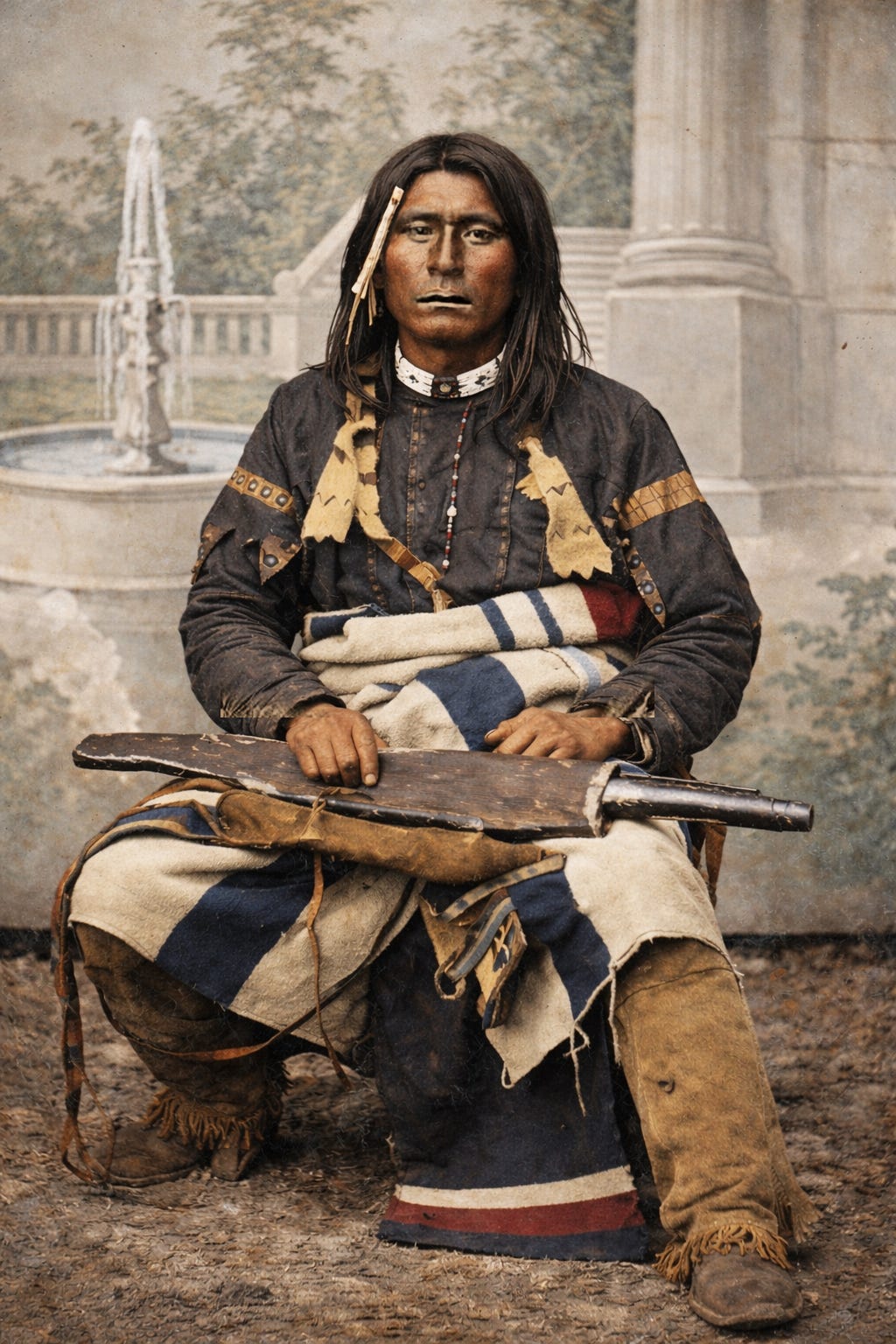
Oregon Indian Superintendent Alfred Meacham persuaded Captain Jack to return to the reservation at the end of 1869. Upon arrival, the Modoc were harassed by the Klamath. In April 1870, Kientpoos and 371 Modoc once again moved south, returning to their Lost River homeland.
On November 28, 1872, acting under orders from the Bureau of Indian Affairs, Major John Green sent troops from Fort Klamath to remove the Modoc — “by force if necessary” — and return them to the reservation. The Army encountered far more Modoc than expected. Fighting broke out almost immediately, and as troops burned the Modoc village, the Modoc fled. They were divided into three loosely affiliated groups under the general leadership of Captain Jack.
One group, led by Hooker Jim, moved east around Tule Lake and killed fourteen male settlers in retaliation for the attack. Captain Jack and the remaining Modoc from the Lost River crossed Tule Lake by boat and entered the Lava Beds. Hooker Jim’s band later joined them. Captain Jack accepted them reluctantly, fearing — correctly — that sheltering those who had murdered settlers placed the lives of all Modoc in danger. A third group, the Hot Creek band, eventually joined Captain Jack after settlers deceived them into believing they would all be hanged simply for being Modoc.
Along the shores of Tule Lake, ancient lava flows had created a jagged and broken terrain later known as Captain Jack’s Stronghold. The land was cut by deep lava trenches and dotted with small, habitable caves — a natural fortress offering concealment, protection, and movement invisible to outsiders. More than 300 soldiers and volunteers were assembled to drive approximately fifty Modoc warriors — along with their women and children — from the Stronghold, capture them, and return them to the Klamath Reservation.
On the fogbound morning of January 17, 1873, the troops advanced across what they believed to be flat ground, confident the Modoc would surrender. Instead, the Modoc struck from concealment. Confused by fog, bitter cold, and unfamiliar terrain, the soldiers suffered heavy losses and retreated, abandoning weapons, ammunition, and wounded. The Modoc had won a decisive victory — and with it, a brief but real bargaining advantage.
Multiple meetings followed between Army leaders and Captain Jack. Each ended the same way: Kientpoos demanded a reservation on the Lost River. In an effort to avert further bloodshed, President Grant authorized a Peace Commission to meet unarmed with the Modoc leadership. Captain Jack was prepared to negotiate a truce. Hooker Jim, already indicted for murder, had little to gain from peace. Alongside Curly-headed Doctor, a Modoc shaman, he shamed Captain Jack into agreeing to kill the commissioners.
On April 11, 1873, five unarmed Modoc were to meet the commissioners. Instead, eight arrived — two visibly armed. Captain Jack, Schonchin John, Boston Charley, and Black Jim were among them. Once again, they demanded a reservation on the Lost River. When it was refused, Captain Jack drew a revolver and killed Canby. Boston Charley killed another commissioner. In total, Canby and two others were slain.
The Modoc War was the only major Indian war fought in California and the only one in which a general of the regular United States Army was killed. Measured against the number of combatants involved, it was among the costliest conflicts in American history. There were no more than sixty Modoc fighters. At its height, the U.S. Army fielded roughly six hundred troops. The war itself ran from November 29, 1872, to June 1, 1873, though tensions had simmered since at least 1826. Fatalities totaled fifty-three United States soldiers, seventeen civilians, and fifteen Modoc warriors — only five of whom were killed in battle.
Four days after the attack on the Peace Commission, a second assault on Captain Jack’s Stronghold began. Though the plan to fully surround the area failed, troops succeeded in cutting off the Modoc water supply. On April 17, the Stronghold was taken — and found empty. Kientpoos and the Modoc had escaped south, drawing water for their 160 men, women, and children from nearby ice caves.
On April 26, a patrol of sixty-nine men left Gillem’s Camp to locate the Modoc. They were ambushed by twenty-four Modoc led by Scarfaced Charley. In forty-five minutes, two-thirds of the patrol were killed or wounded. The Modoc then retreated farther south.
On the morning of May 10, the Modoc were defeated in a surprise engagement at Dry Lake, abandoning most of their horses and supplies in retreat. Internal divisions followed. The Modoc quarrelled and dissolved into smaller groups. Hooker Jim and three others offered to help track down Captain Jack. Kientpoos finally surrendered at Willow Creek on June 1, 1873, bringing the Modoc War to an end.
Amnesty was granted to Hooker Jim and his followers — despite their role in the Tule Lake murders — in exchange for their assistance. At the last moment, President Grant extended amnesty to Barncho and Slolux, who were sent to Alcatraz. Boston Charley, Black Jim, Schonchin John, and Captain Jack were hanged on the morning of October 3, 1873.

Madley, Benjamin. An American Genocide: The United States and the California Indian Catastrophe, 1846–1873. New Haven, CT: Yale University Press, 2016.
National Park Service. The Modoc War. Lava Beds National Monument, National Park Service, U.S. Department of the Interior. https://www.nps.gov/labe/learn/historyculture/modoc-war.htm.